
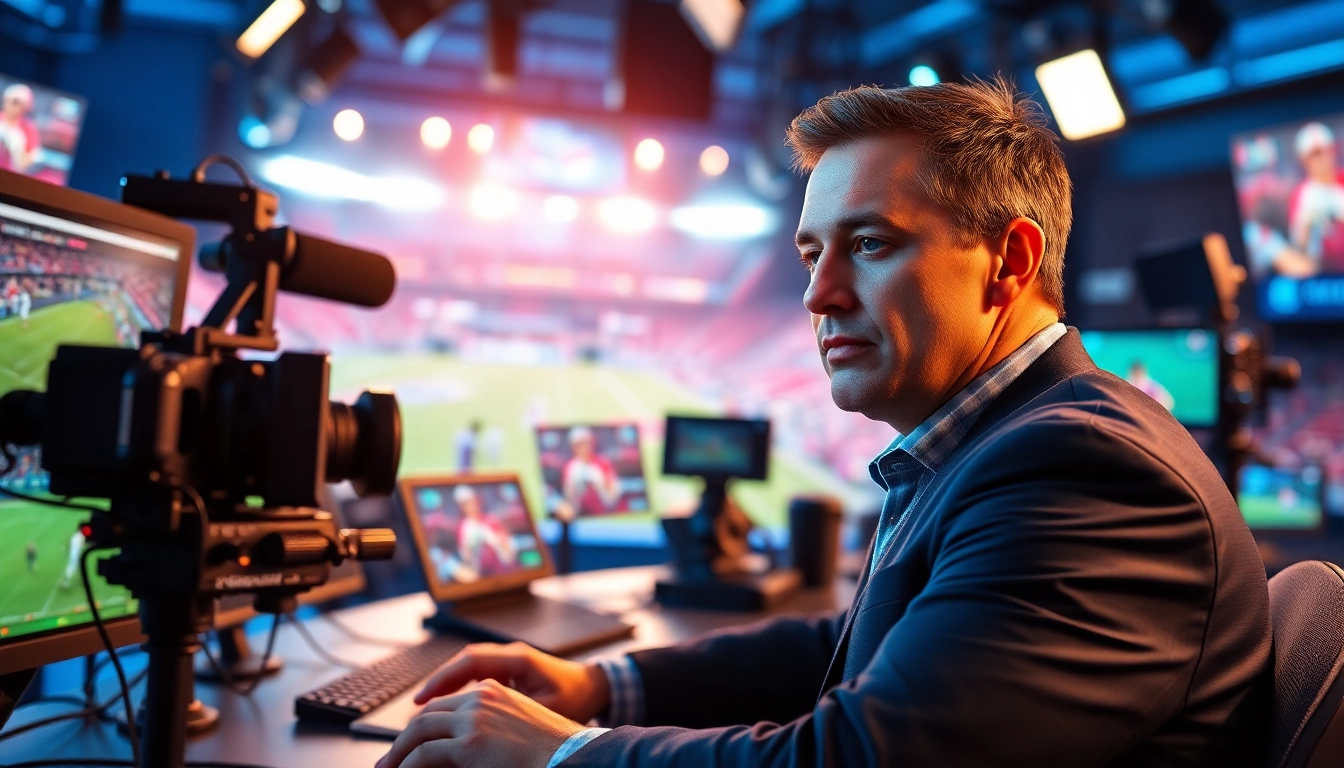
Understanding the Basics of Sports Broadcasting
What is Sports Broadcasting?
Sports broadcasting is the disseminating of live sports events to a broader audience either through radio, television, or via digital platforms. It connects fans with their favorite sports by offering commentary, insights, and in-game statistics. In the modern era, Sports Broadcasting is not limited to traditional TV screens but extends to streaming services and social media platforms, revolutionizing how audiences access sports content.
The Evolution of Sports Broadcasting
The journey of sports broadcasting started with radio broadcasts in the early 20th century, captivating audiences with live commentary of significant matches. The introduction of television in the 1950s marked a significant breakthrough, allowing fans to view live games in their homes. With technological advancements such as high-definition broadcasting, satellite technology, and the rise of the internet, sports broadcasting continues to evolve into a multi-faceted experience characterized by increased interactivity and viewer engagement.
Key Components of Sports Broadcasting
Sports broadcasting encompasses several key components that work together to deliver engaging content. These include:
- Commentary: The voice of the broadcast, providing play-by-play narration and insights.
- Analysis: In-depth breakdowns of player performances, strategies, and game statistics by analysts.
- Technical Production: The use of cameras, graphics, and sound to create an immersive viewing experience.
- Audience Engagement: Utilizing social media and other digital platforms to interact with viewers.
Essential Skills for Sports Broadcasters
Communication and Presentation Skills
At the core of successful sports broadcasting is proficient communication. Broadcasters must articulate thoughts clearly, maintain an engaging tone, and adapt their delivery style to suit different audiences. Exceptional presenters often weave storytelling into commentary, creating a compelling narrative that resonates with viewers and fosters an emotional connection to the game.
Technical Proficiency in Equipment Usage
Modern sports broadcasting relies heavily on advanced technology. Broadcasters must be skilled in using microphones, cameras, and broadcasting software. Familiarity with live-streaming setups, audio mixing, and video editing software is essential. This technical know-how enables broadcasters to deliver high-quality content seamlessly.
Understanding Sports Analytics
As data plays an increasingly pivotal role in sports, broadcasters must possess a solid grasp of sports analytics. Understanding key performance indicators, player statistics, and game metrics allows broadcasters to provide insightful commentary and engage a savvy audience that values detailed analysis over mere play calls.
Trends Shaping the Future of Sports Broadcasting
Real-Time Data and Analytics
With the rise of big data, real-time analytics is transforming how sports are broadcast. Broadcasters now provide instant statistics and insights during games, enriching the viewer experience. This trend leverages technology to display analytics on screen, enhancing understanding and enjoyment of the sport.
Impact of Social Media Platforms
Social media is reshaping audience interactions with sports broadcasts. Platforms like Twitter, Instagram, and TikTok enable broadcasters to engage fans in real-time, share highlights, and promote upcoming events. This connection fosters community and drives viewership, particularly among younger audiences.
Emergence of Virtual Reality Experiences
Virtual reality (VR) is beginning to find its place in sports broadcasting. By enabling immersive experiences, VR allows fans to feel as though they are part of the game, providing a unique way to experience live sports. This innovation not only enhances viewer satisfaction but also opens new avenues for revenue generation through VR subscriptions.
Best Practices in Sports Broadcasting
Crafting Engaging Storylines
Successful sports broadcasts create engaging storylines that capture the audience's imagination. It involves building narratives around teams, players, and rivalries. Broadcasters who can weave personal stories and background information into their commentary often find greater resonance with fans, enhancing the emotional stakes of the game.
Building Audience Engagement
Audience engagement is paramount in sports broadcasting. Broadcasters must harness interactive features such as polls, live Q&A sessions, and social media comments to foster viewer participation. When audiences feel involved, they are more likely to remain attentive, share content, and return for future broadcasts.
Legal Considerations in Broadcasting
Understanding legal constraints is critical in sports broadcasting. This includes issues around copyright, licenses for broadcasting rights, and the use of proprietary content. Broadcasters must navigate these regulations carefully to avoid legal repercussions while ensuring high-quality content delivery.
Measuring Success in Sports Broadcasting
Metrics for Audience Reach
Audience reach is a crucial metric for measuring the success of sports broadcasts. This includes analyzing both traditional TV ratings and digital streaming metrics, such as concurrent viewers and total reach across different platforms. Accurate tracking allows broadcasters to adapt strategies to target specific demographics effectively.
Evaluating Viewer Engagement
Evaluating viewer engagement involves looking beyond raw numbers to assess how actively audiences interact with the broadcast. Engagement metrics may include social media interactions, comments during broadcasts, viewer retention rates, and feedback through surveys. These insights help broadcasters fine-tune content and presentation styles.
Adapting to Feedback and Trends
Broadcasters must be agile and willing to adapt based on viewer feedback and emerging trends. This may involve changing content formats, trying new broadcasting technologies, or capitalizing on trending topics within sports discussions. Continuous improvement is essential for long-term success in the highly competitive environment of sports broadcasting.